Stains after rain
Ceiling or wall stains that appear or grow after rainfall can indicate a water path that needs investigation.
 EA Construction
Roofing contractor
When a drip returns or a ceiling stain grows after rain, the source may be somewhere else on the roof. Leak detection helps trace roof-related water intrusion so you can understand the likely cause before deciding what to repair.
Recognize the signs
A ceiling stain is a clue—not a reliable map of the roof opening. Water can move along decking and framing before showing up indoors. Locating the likely entry point helps you make repair decisions based on the cause rather than the visible symptom.
Ceiling or wall stains that appear or grow after rainfall can indicate a water path that needs investigation.
A leak that returns after patching may have an entry point away from the area previously treated.
Damp insulation or water marks on roof framing can help trace intrusion, but condensation and plumbing sources also need consideration.
From symptoms to next steps
Planning a roof leak assessment starts with your observations and the areas that can be safely examined. Some sources are apparent; others may require additional investigation before a repair scope can be defined.
Note when the leak appears, whether wind affects it, and what previous repairs have been attempted. Photos taken during recent rain can help explain the pattern.
Staining, water tracks, and damp insulation in accessible interior or attic areas may help connect indoor symptoms to a moisture source. Ask whether these areas are included in the assessment.
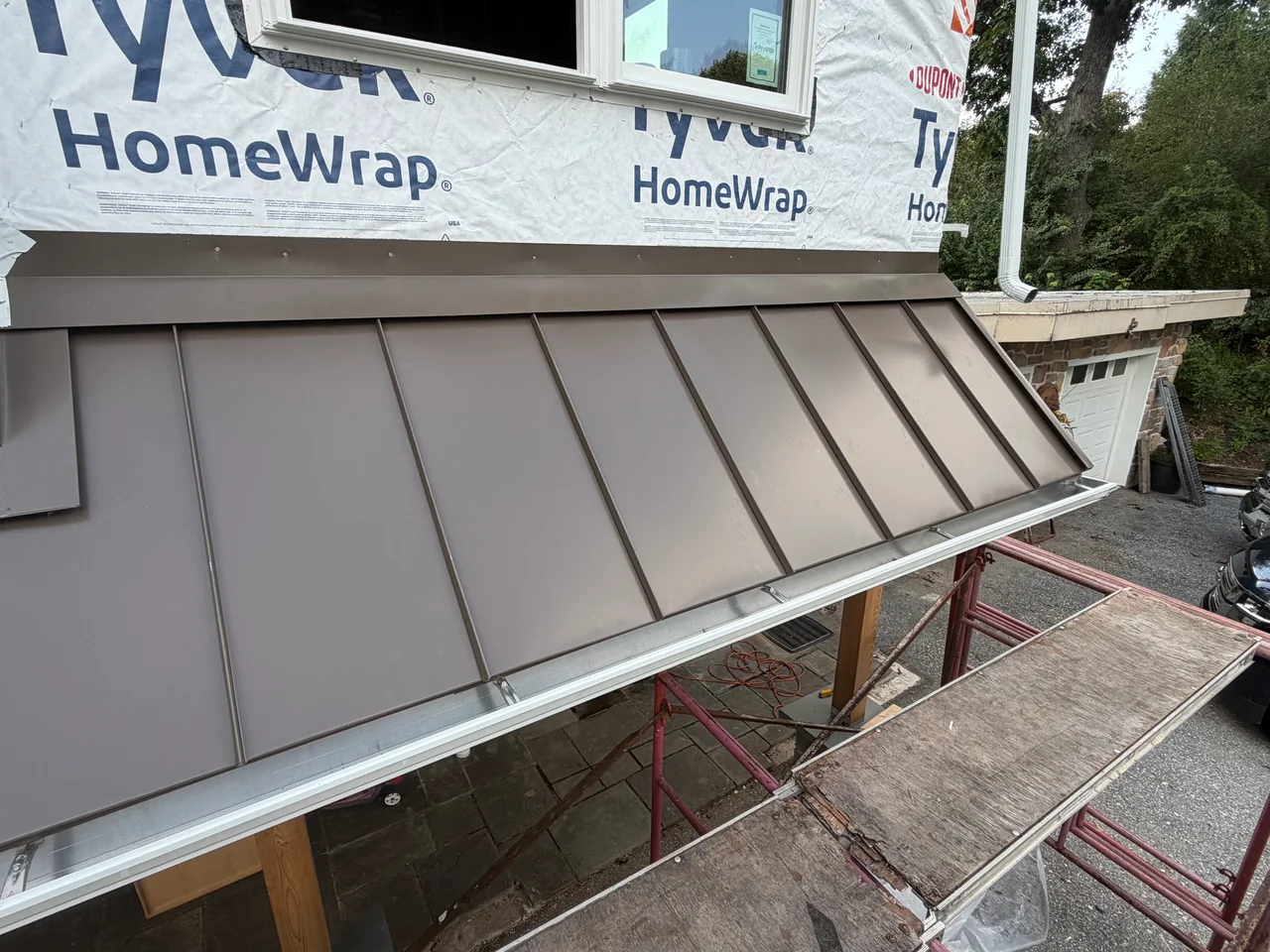
Discuss whether shingles, valleys, chimney flashing, vent penetrations, and roof-to-wall connections are relevant and safely accessible. Ask what other moisture sources merit consideration if roof evidence is inconclusive.
Ask about the likely cause, any access or investigation limits, and whether more investigation is needed. Confirm a separate repair scope before authorizing repair work.
Plan the scope
Free estimates are available. The cost of Leak detection depends on the property and the investigation needed—not simply the size of the stain you can see.
Roof size, slope, height, and safe access requirements affect the investigation. Accessible attic spaces and affected roof sections also matter.
Multiple leak locations or a concealed water path can make tracing the source more involved. Additional testing or a follow-up visit may be needed.
Confirm whether the scope covers detection only, opening materials, or repairs. Each should be clear before work begins.
Local weather clues
In West Chester, Downingtown, Kennett Square, and surrounding service areas, wind-driven rain can make leaks intermittent. A roof may remain dry during one rainfall and leak during another when wind pushes water toward a vulnerable connection.
Winter freeze-thaw cycles can also expose weaknesses around flashing and roof edges. Note whether moisture appears during rainfall, snowmelt, or cold weather; that distinction can help narrow down the possible cause.
Before you enquire
Photograph the stain or drip from a safe indoor location. Record the date, rainfall intensity, and whether it was windy. Keep earlier photos so changes in the affected area are easy to compare, even if everything has dried by the assessment.
Do not climb onto a wet roof or enter an attic with unsafe footing. Seek professional help if water is near electrical fixtures or the ceiling is sagging.
Contact EA Construction & Roofing with your property location, observations, and any previous repair history to discuss Leak detection and request a free estimate.
A little more clarity
Water can travel along roof decking, framing, or other surfaces before reaching the ceiling. The visible stain marks where moisture becomes apparent indoors, not necessarily where it entered the roof. Tracing that path helps narrow down the likely source.
Staining, water tracks, and roof defects may still provide clues after an area dries. However, intermittent leaks can require suitable weather conditions or additional investigation. Photos taken during rainfall and notes about wind conditions can help.
The timing and pattern of moisture matter. Water appearing after rain may point toward roof intrusion, while moisture associated with cold weather may also involve condensation. Plumbing is another possible source. These clues need to be considered together rather than treating every damp area as a roof leak.
Not necessarily. Accessible interior areas and visible roof details may provide useful evidence without opening materials. Some concealed water paths require further investigation. Confirm whether any opening of materials is proposed and how it will be authorized before work begins.
Locating the source and repairing it are distinct tasks. Confirm what the estimate includes, whether repairs are quoted separately, and whether additional investigation requires separate authorization.
Talk through the details
Describe your roofing concern or planned project, include your property's location and share any useful observations. Request a free estimate to begin the conversation. Appointments are required.
Request a free estimate