
New Roof Installation in West Chester: What Records Should You Keep After Completion?
A practical guide to organizing roof product details, installation photos, approved changes, care instructions and spare materials after completion.
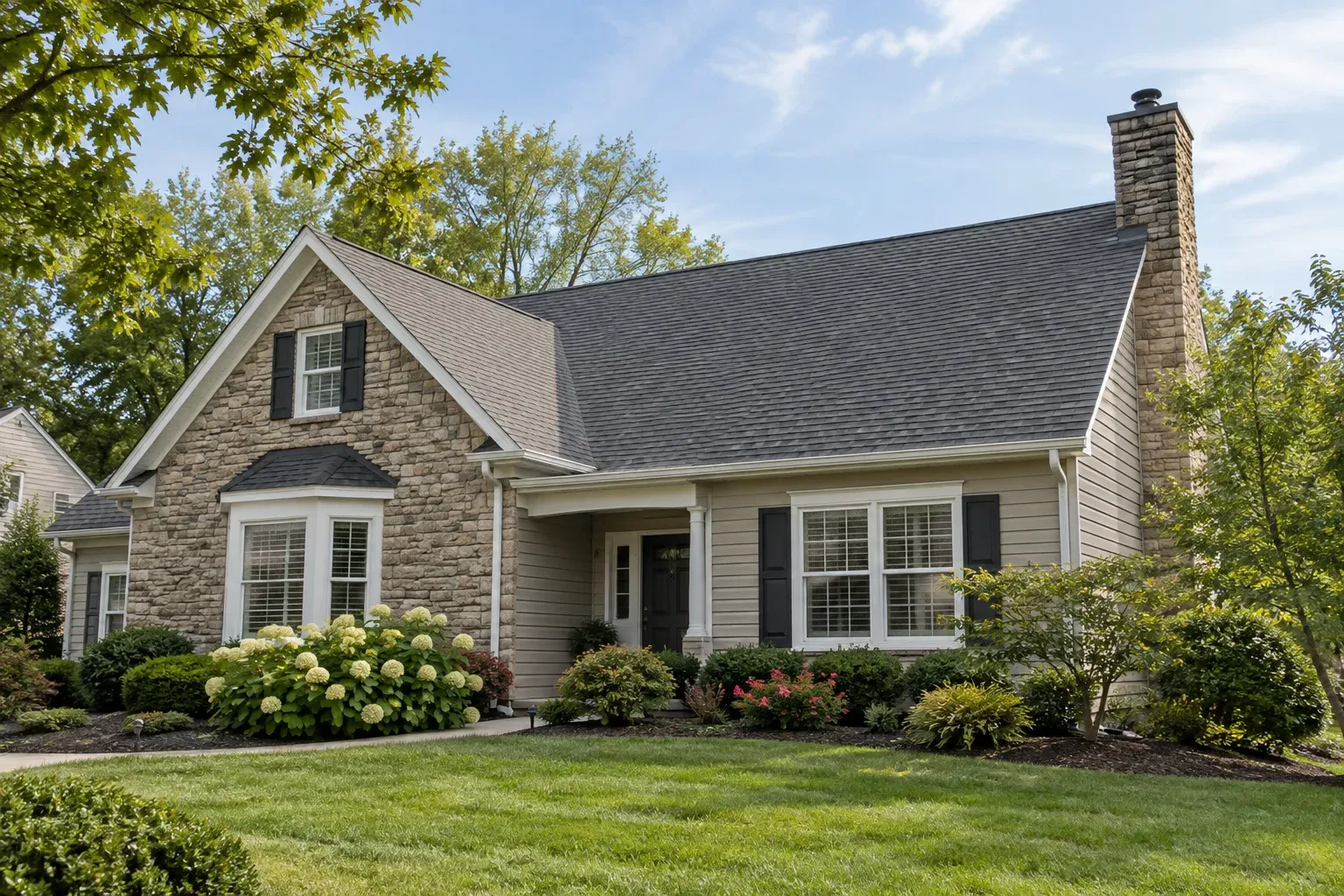
Start with one clear completion file
After a new roof installation in West Chester, the most useful next step may be organizing what you know about the finished roof. Months or years later, a product name, dated photograph or written approval can help answer a maintenance question without relying on memory. The goal is a usable record of materials, decisions and care guidance—not a large folder that nobody can navigate when a repair question arises.
New roof installation records are most useful when they describe what was actually installed, rather than only what was initially discussed. Start one digital folder and one small paper file for originals worth retaining. Add the property address and completion date to a short index. Homeowners, rental-property managers and small commercial property owners can use the same approach, adjusting access so the person responsible for maintenance can find the information.
Record product identities, colors and lot details
For each identifiable roofing product, record the manufacturer, product line, material type and exact color designation. Where available, retain model numbers, product codes and photographs of packaging labels. Include accessory products such as ridge shingles or manufactured vents if their identities are documented. Do not assume that every component came from the same manufacturer, or that a broad description such as “architectural gray” identifies a specific product.
Keep lot or batch information when it appears on retained packaging, but label it accurately: a photographed wrapper identifies that package, not necessarily every bundle installed. Our guide to choosing shingle colors explains why appearance deserves more than a quick screen comparison. For future records, preserve the written color name alongside a sample photograph; sunlight, camera settings and roof weathering can make images unreliable as the sole reference.

Give photographs dates and recognizable locations
Save installation photographs already available to you, keeping their original filenames and dates when possible. Separate progress images from finished-roof views so nobody mistakes an unfinished detail for the completed condition. Add a simple description of the photographed area, such as “rear slope beside chimney.” Ground-level overview photographs can establish orientation, while existing closer views may help identify components that are difficult to see after completion.
Organize images around recognizable roof features instead of creating an unexplained sequence of numbers. The discussion of planning around vents, chimneys and skylights provides useful context for deciding which features deserve their own labels. If a photograph shows a component before it was covered, retain the surrounding sequence too. Images can provide context, but they do not independently establish that concealed work meets every applicable requirement.
Keep approved changes beside the original scope
Preserve the signed scope, final invoice and written approvals for changes together. Add a brief index explaining which later document updates an earlier selection or description. For example, an approved substitution should sit beside the original product selection rather than disappear in a separate email folder. Keep the original message or attachment, not just your summary, so a future reader can distinguish the documented decision from your interpretation.
A guide to what a roofing proposal should include concerns planning, but the completed file has a different purpose: preserving the final outcome. Note any documented changes to materials, vent locations or included work without rewriting the original agreement. If two records conflict, mark the discrepancy and seek clarification from the relevant party. Do not silently replace the earlier record or present an unresolved assumption as a confirmed fact.
Separate care guidance from general advice
Save manufacturer care instructions that correspond to the identified products, including the document date or version when shown. Keep any warranty documents and registration confirmations you actually receive, and read their specific conditions rather than assuming all coverage works alike. A care folder should make it easy to check guidance before cleaning, attaching equipment or allowing another trade to alter a roof detail. Avoid substituting general internet advice for product-specific instructions.
Keep roof drainage notes nearby when they affect routine upkeep. Our article on planning downspouts around walkways, patios and landscaping offers context for recording where discharge is intended to go. A simple property sketch can identify those locations without turning the file into a drainage design. If landscaping or a patio changes later, that sketch gives the responsible professional a starting point for discussing how the change interacts with existing drainage.
Label leftover materials without overestimating their usefulness
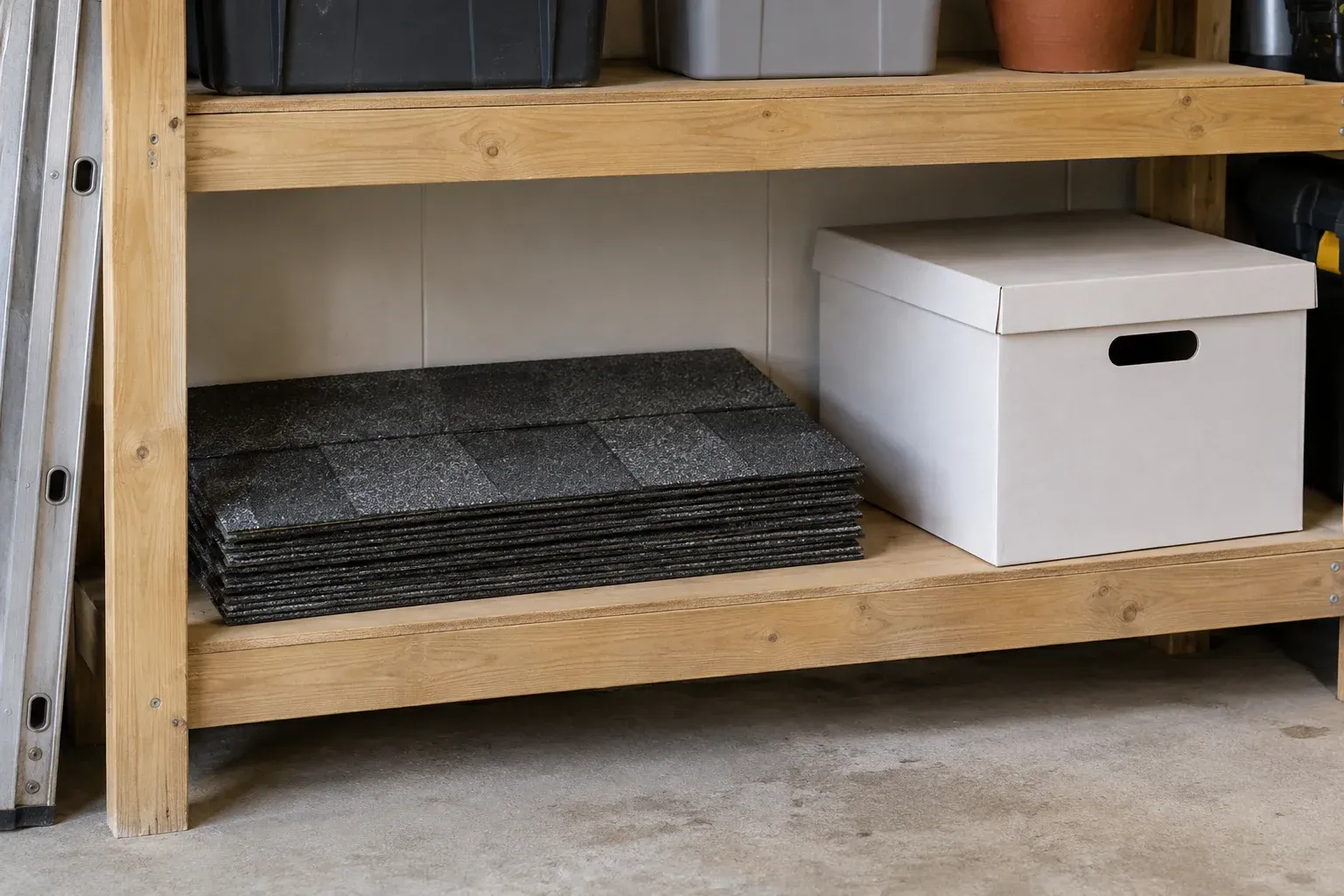
If spare materials remain, record what they are, approximately how much is present and where they are stored. Photograph intact labels before packaging deteriorates. Follow applicable manufacturer storage guidance and keep materials away from moisture, excessive heat and accidental damage. Do not assume an attic is a suitable storage location or load a shelf beyond its capacity. If safe storage is impractical, ask about appropriate alternatives rather than creating a hazard.
Treat leftovers as a reference and a possible resource, not a promise of an invisible future repair. Record whether packages are unopened, opened or damaged, and update the quantity whenever material is used. Keep a note in the digital file pointing to the physical storage location. This avoids searching a garage years later or mistaking unrelated shingles from another project for material that belongs to the current roof.
Keep the file useful as the property changes
When maintenance or alterations occur, add the date, the work description and any supporting documents to the same folder. Distinguish an observed symptom from an established cause. Existing roof photographs may be particularly helpful when discussing an investigation without attic access, although they cannot replace current evaluation. Share relevant copies rather than granting broad access to unrelated financial documents, and maintain a separate backup of the complete record.
After new roof installation in West Chester, a useful record file should answer three practical questions: what is installed, what changed and what guidance applies now? Keep the system simple enough to maintain, with clear labels and an index that another responsible person can understand. You do not need perfect documentation to begin. Preserve reliable information, identify gaps honestly and update the file as verified details become available.
Frequently asked questions
What if I cannot find the exact shingle color or product name?
Check retained packaging, invoices, product selections and correspondence. Ask the original installer or supplier whether identifying information remains available. Mark anything unresolved as unknown rather than choosing a likely match from an online photograph.
Should I climb onto the roof to complete my photo records?
No. Use ground-level photographs and any installation images already available. Missing photographs are not a reason to climb onto the roof, move materials or disturb completed work.
Can leftover shingles guarantee a matching repair later?
No. They may help identify the product and provide potentially useful material, but weathering, storage conditions, product changes and installation requirements can affect suitability and appearance. Have a qualified roofer evaluate them before use.